A bathroom overflow can affect more than the tile
Water spilling from a toilet can reach the hallway, soak the vanity base, or enter the floor assembly around the fixture. In an upstairs bathroom, the first evidence downstairs may be a stain or drip from the ceiling. The cleanup needs to follow the water, including areas that are not visible from the bathroom doorway.
Call Water Damage Pros Yonkers to seek an independent cleanup provider. Explain whether the water came from the bowl, the tank, a supply connection, or an unknown source. That distinction matters because the cleanup should reflect the actual contamination rather than treating every toilet-related leak as the same event.
Stop using the affected plumbing
Do not keep flushing to see whether the problem has cleared. Additional water can increase the affected area. If a fixture shutoff is accessible from a safe, dry position and you know how to use it, stopping the supply may limit continued flow. Otherwise, ask a plumber or building manager for assistance.
Keep children and pets away from the wet area. Avoid touching electrical items near the water. If the backup appears at more than one fixture, mention that when calling; the source may be broader than a single toilet. A plumber needs to determine the cause before the system returns to normal use.
Supply water and bowl overflow require different evaluation
A recent leak from a supply line differs from wastewater overflowing from the bowl or backing up from the drain system. Appearance and odor alone do not reliably determine the cleanup needed. The provider should ask about the source, duration, and path of the water before proposing material decisions.
Do not assume that drying the surface makes every affected item suitable to keep. Contaminated water can reach flooring seams, wall bases, and porous contents. If sewage is suspected, tell the provider clearly and avoid carrying wet towels, rugs, or belongings through unaffected rooms without an appropriate handling plan.
Inspect the floor around the toilet and vanity
The water may be visible on tile while remaining beneath trim, around floor penetrations, or under adjacent materials. A vanity can conceal wet cabinet bases and wall surfaces. The contractor may need targeted access or measurements to establish where the water went and which components require attention.
Ask the contractor to explain any proposed removal of floor covering, trim, or cabinetry. Some materials may be retained after appropriate treatment and drying; others may be damaged or unsuitable to clean. The scope should reflect the actual condition, and any plumbing-related disconnection should be coordinated with the appropriate trade.
Do not overlook the ceiling below
For an upstairs overflow, report any marks, dripping, or changes in the room beneath it. The lower ceiling may require its own assessment even if the bathroom floor has been wiped dry. Keep the area clear if the ceiling is sagging or water has reached a light fixture.
In a Yonkers apartment building, notify the superintendent or property manager promptly. Access to the unit below may be needed to understand the full loss. The apartment cleanup page explains how unit access, resident communication, and separate work areas can fit into one coordinated response.
What cleanup and drying can involve
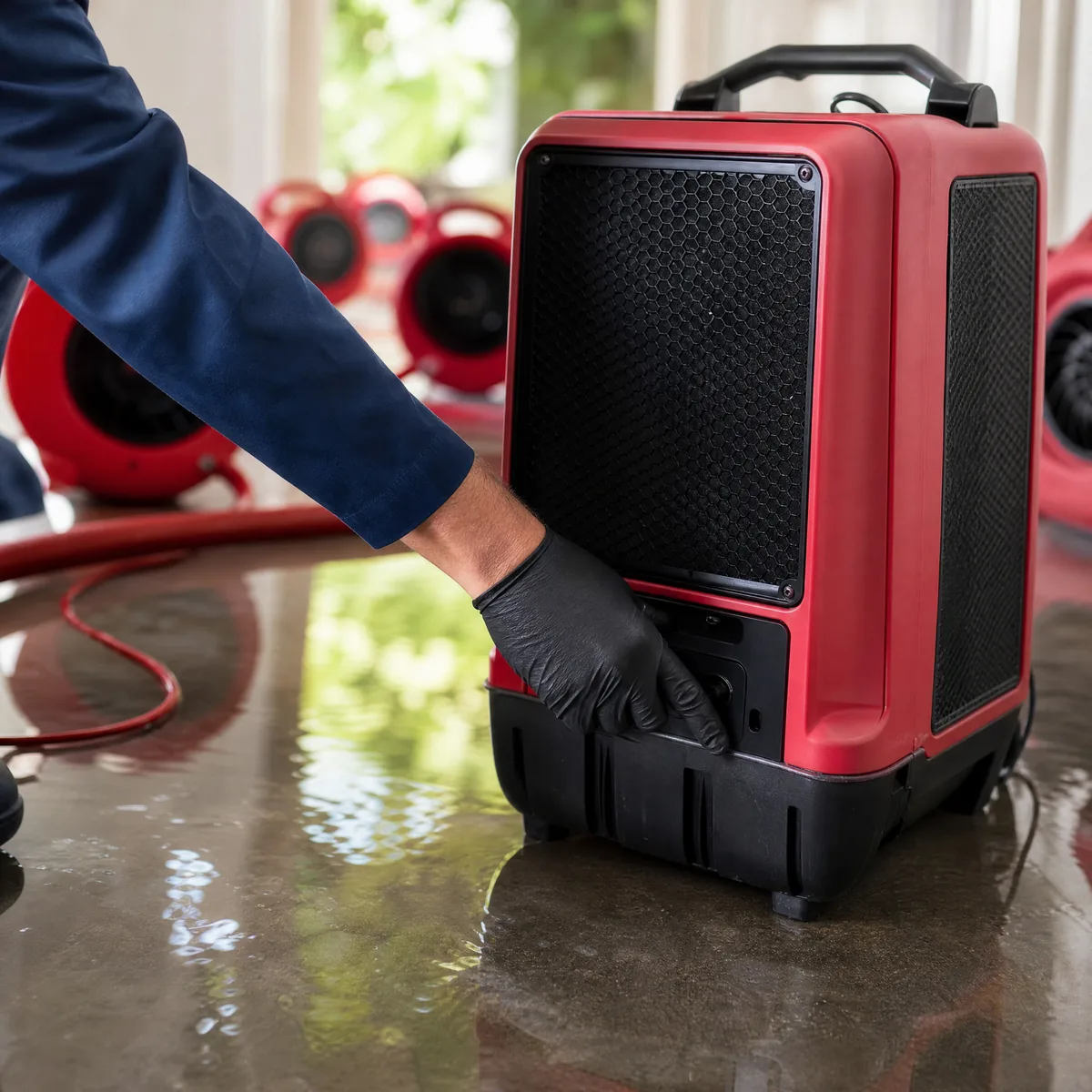
The provider may remove accessible water, evaluate contaminated materials, clean suitable remaining surfaces, and arrange drying of the affected structure. Porous belongings and floor layers may require separate decisions. Ask how unaffected areas will be protected while equipment and debris move through the property.
The plumbing repair, toilet resetting, replacement of damaged finishes, and painting may be separate from emergency cleanup. Confirm who handles each stage. If equipment remains after the first visit, ask how progress will be monitored and when the provider will review whether the area is ready for repair.
Records for owners, tenants, and property managers
Note when the overflow started, what was being used at the time, and whether other fixtures were involved. Take photographs only from a safe location. Retain the plumber's findings along with the cleanup scope and any material-removal or drying records provided by the restoration contractor.
If different people are responsible for the fixture, building finishes, and personal belongings, keep those scopes separate. The contractor can document their work, but responsibility for payment or an insurance claim depends on the relevant agreements and coverage. Avoid assigning responsibility solely from the place where the water first became visible.
Get the bathroom and adjoining areas assessed
Call (866) 552-5141 for toilet overflow cleanup help in Yonkers. Provide the address, floor, source if known, and whether the overflow has stopped. Mention a lower ceiling or neighboring unit if the water appears to have traveled beyond the bathroom.
For a larger drain backup, see sewage cleanup. If the remaining concern is moisture after the initial removal, see structural drying. An accurate description helps the provider discuss the right next step and confirm availability.