Deal with the moisture behind the mold
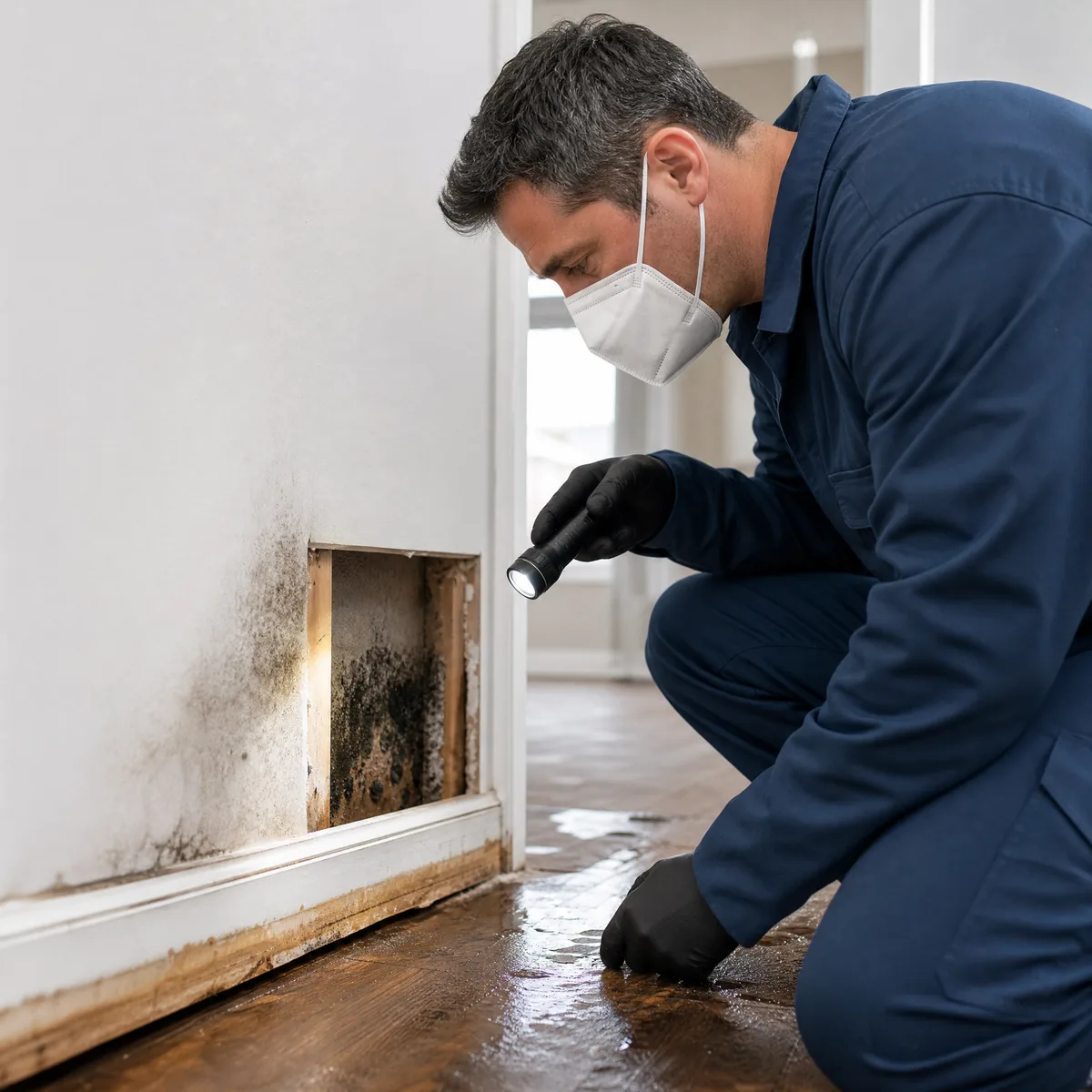
A patch on the wall, growth beneath a cabinet, or a musty basement can be the visible part of a larger moisture problem. Painting over the mark or treating the odor does not explain why the area became damp. A useful plan considers the water source as well as the affected materials.
Water Damage Pros Yonkers is a contractor-connection service, not a mold assessor or remediation contractor. Call to discuss the situation and ask about independent providers serving your address. Before hiring, verify the relevant New York license and confirm whether you need an assessor, a remediation contractor, or both.
Understand the New York assessment and remediation roles
New York's Mold Program establishes licensing and work requirements for covered mold services. Its framework includes an independent assessment to define the remediation scope and a post-remediation assessment. Verify the appropriate license and role before agreeing to work. The New York State Department of Labor Mold Program explains the requirements and links to the state's contractor search.
Ask who will inspect the condition, who will perform the cleanup, and who will evaluate the result. Request those names and responsibilities in writing. A phone referral is not evidence of licensing, and a general water-damage estimate should not be mistaken for a completed mold assessment or a remediation plan.
Describe what you can observe without disturbing it
Useful details include the room involved, the approximate size of the visible area, any known leak, and whether the condition has returned after earlier work. Mention growth near air-handling equipment or odors spreading beyond the original room. You do not need to identify a species from a photograph before making a call.
Avoid pulling apart walls or scraping a large area simply to investigate. That can disturb material before the work plan is established. If the area has active water damage, address the source and immediate property hazards with the appropriate professionals while arranging the mold-related assessment that the situation requires.
What a practical work plan should explain
You should understand which rooms and materials are involved, what access is needed, and how the affected area will be managed during work. Ask whether belongings must be moved, whether any materials will be removed, and what cleaning methods the contractor proposes. The written scope should connect these decisions to the assessment.
Also clarify the boundaries of the work. Repairing a plumbing leak, improving drainage, rebuilding a wall, and remediating mold are different tasks. A proposal should identify which are included and who will handle any remaining work. Otherwise, the visible condition may be addressed while the reason it developed is left unresolved.
Moisture problems in Yonkers homes and apartments
Basement humidity, a slow supply-line leak, an upstairs bathroom loss, or repeated rain entry can all create different conditions inside a property. The location of the mark does not necessarily identify the original source. An assessor may need access to the adjoining space or the other side of the affected wall.
If you rent or own a unit in a Yonkers apartment, condominium, or co-op building, notify the relevant manager or owner promptly. Coordinate access to shared areas and affected neighboring units as needed. For a house, share any history of basement seepage, roof leaks, or earlier repairs; that history can help professionals investigate the current condition.
Ask about occupancy and protection of belongings
Work arrangements can affect access to bedrooms, hallways, kitchens, and storage spaces. Before cleanup begins, ask which areas will be restricted and whether the proposed setup allows continued occupancy. Decisions should reflect the property, the scope, and the needs of the people using it.
Ask how contents will be protected or evaluated, and which items fall outside the contractor's service. Keep a written list of belongings moved or removed. For valuable or sentimental items, request an explanation of options before approving disposal. Clear records make it easier to coordinate a later return to the room and any repair work that follows.
Completion should be a documented handoff
Ask what must happen before the project is considered complete and what written records you will receive. Do not rely on a new coat of paint or a temporarily improved smell as the sole evidence of completion. Keep the assessment, remediation scope, work records, and any post-remediation documentation together.
If repairs are separate, share the relevant completion information with the repair contractor. Confirm that the moisture source has been addressed before closing walls or replacing finishes. New materials can be affected again if the original leak, condensation issue, or water-entry problem continues.
Avoid promises that no one can verify
No responsible plan should depend on a guarantee that a building will contain zero mold spores forever. Focus instead on the identified condition, appropriate work, moisture control, and a clear completion process. The EPA's homeowner mold guide explains why controlling moisture is central to preventing recurrence.
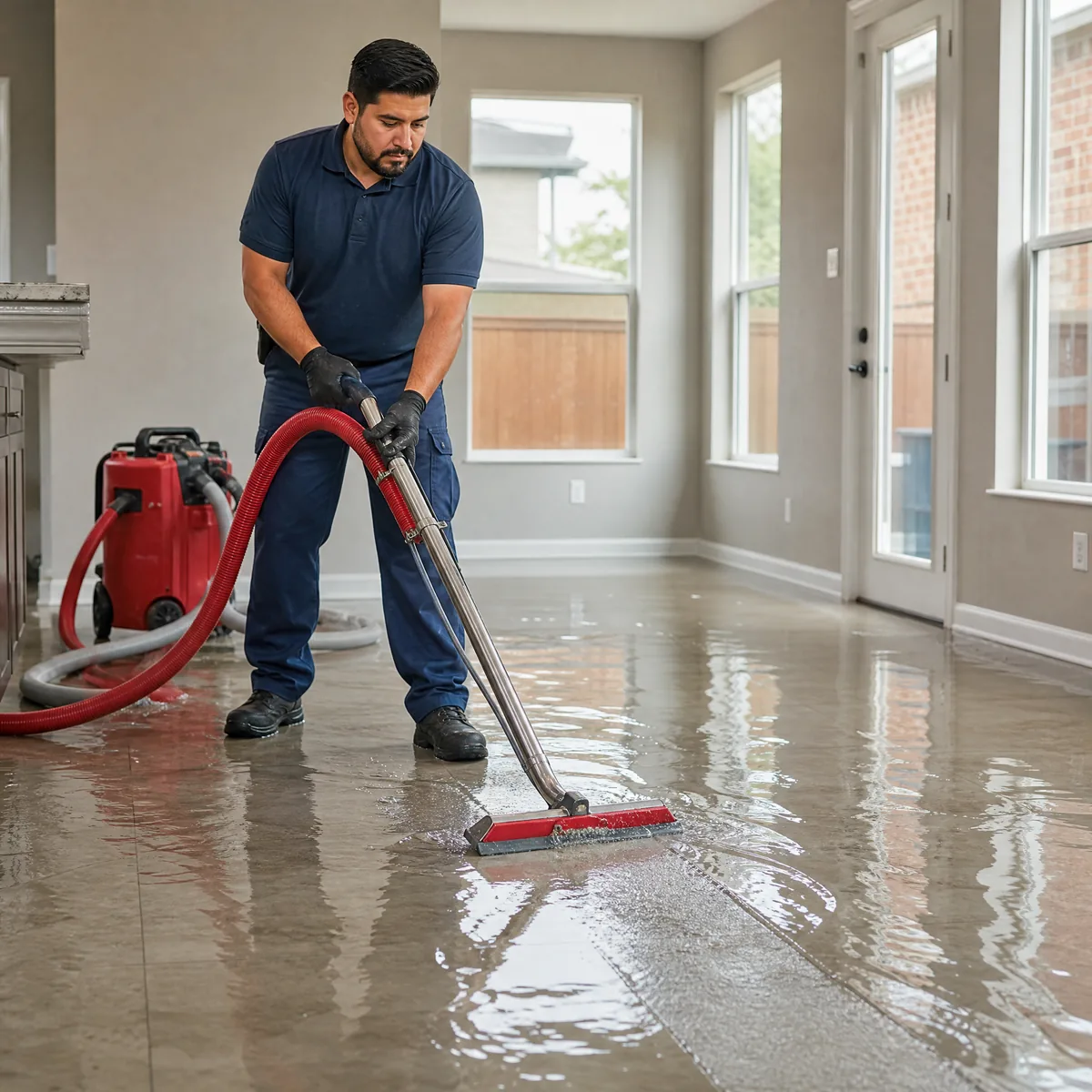
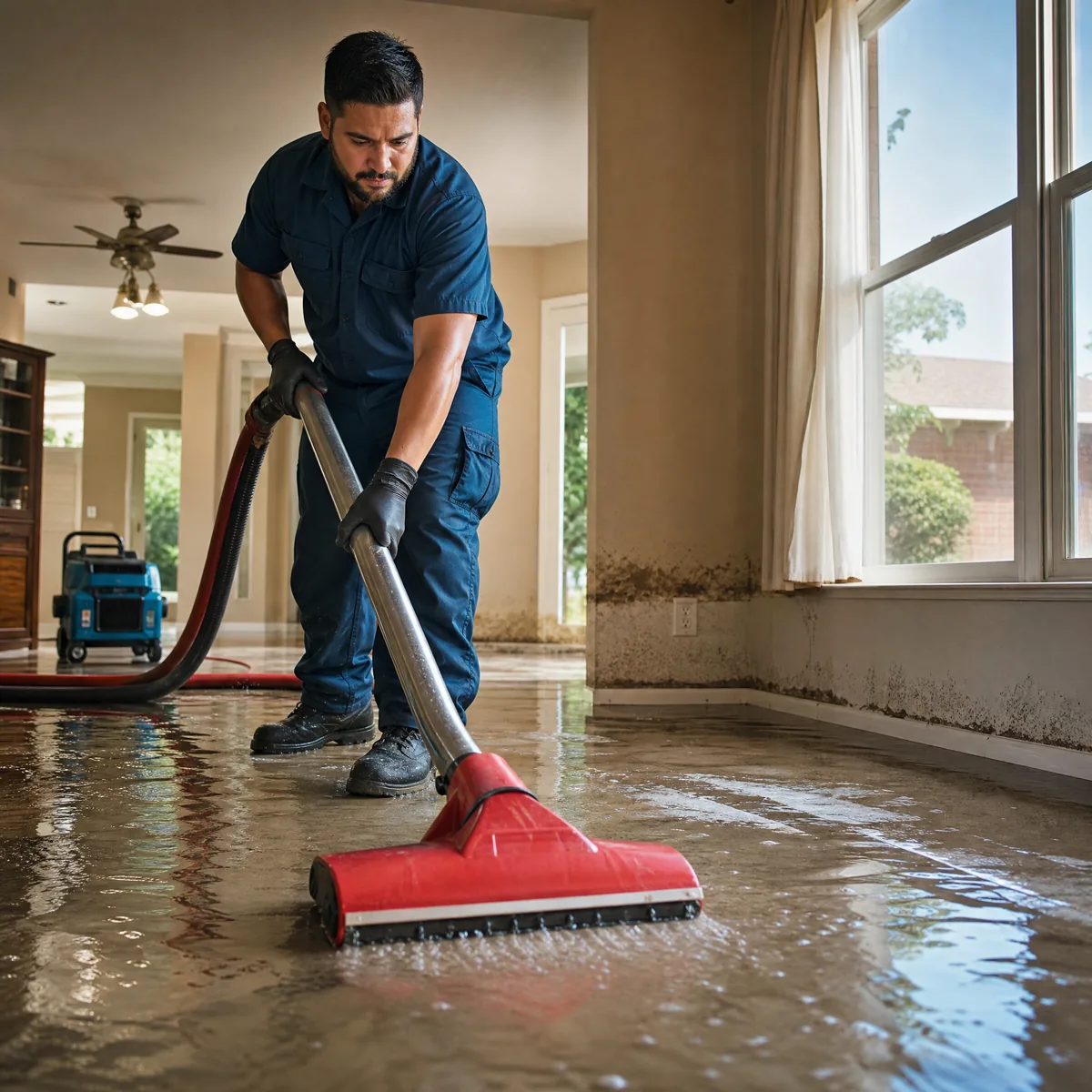
Call (866) 552-5141 to discuss mold-service connection help in Yonkers. If the immediate issue is standing water or wet building materials, explain that first. Water extraction and structural drying may be part of the water-loss response, while mold assessment and remediation require their own appropriate scope.