A restaurant loss requires several decisions at once
Water can affect kitchen surfaces, dining areas, storage, restrooms, equipment connections, and the building beneath them. The source might be a supply leak, drain backup, roof problem, or outside water. Each presents a different combination of cleanup, equipment, and operating questions.
Water Damage Pros Yonkers connects restaurant owners and managers with independent restoration providers. Describe where the water appeared, whether sewage or outside flooding is involved, and which areas are currently in use. The provider can discuss the building cleanup and clarify where other qualified specialists need to participate.
Keep food and equipment decisions separate from building drying
Food, packaging, utensils, and food-contact equipment require evaluation under the applicable requirements for the establishment. Do not assume that a restoration contractor's drying work determines whether these items can return to use. Identify the responsible manager and contact the appropriate food-safety authority or qualified specialist as needed.
Keep affected stock and equipment distinct from unaffected items. Record what was exposed and any disposal or evaluation decisions made by the responsible parties. A careful inventory helps the business manage the loss without confusing the physical cleanup of the building with approval to resume food preparation.
A drain backup changes the response
Water from a blocked drain or sewage backup requires clear communication before the contractor arrives. Stop use of affected plumbing as directed by the appropriate professional. Do not continue routine kitchen work through a contaminated area while waiting for cleanup, and avoid moving wet items into otherwise unaffected storage.
A plumber may need to correct the source while the restoration provider addresses the building. Confirm that both scopes are understood. Clearing a blockage does not clean the surfaces and materials reached by the backup, and cleaning the room does not prove the drain problem has been resolved.
Inspect concealed areas around cabinets and fixed equipment
Water can collect beneath fixed equipment, cabinets, service counters, and floor layers. Access may require disconnection or movement by qualified trades. The restoration provider should explain which areas need inspection and what coordination is required to reach them safely.
Electrical, gas, refrigeration, and plumbing systems should be handled by the relevant professionals. Do not restart water-affected equipment based only on a dry-looking exterior. Keep a clear record of which devices have been evaluated and which remain out of use while the building cleanup continues.
Plan extraction and drying around the actual materials
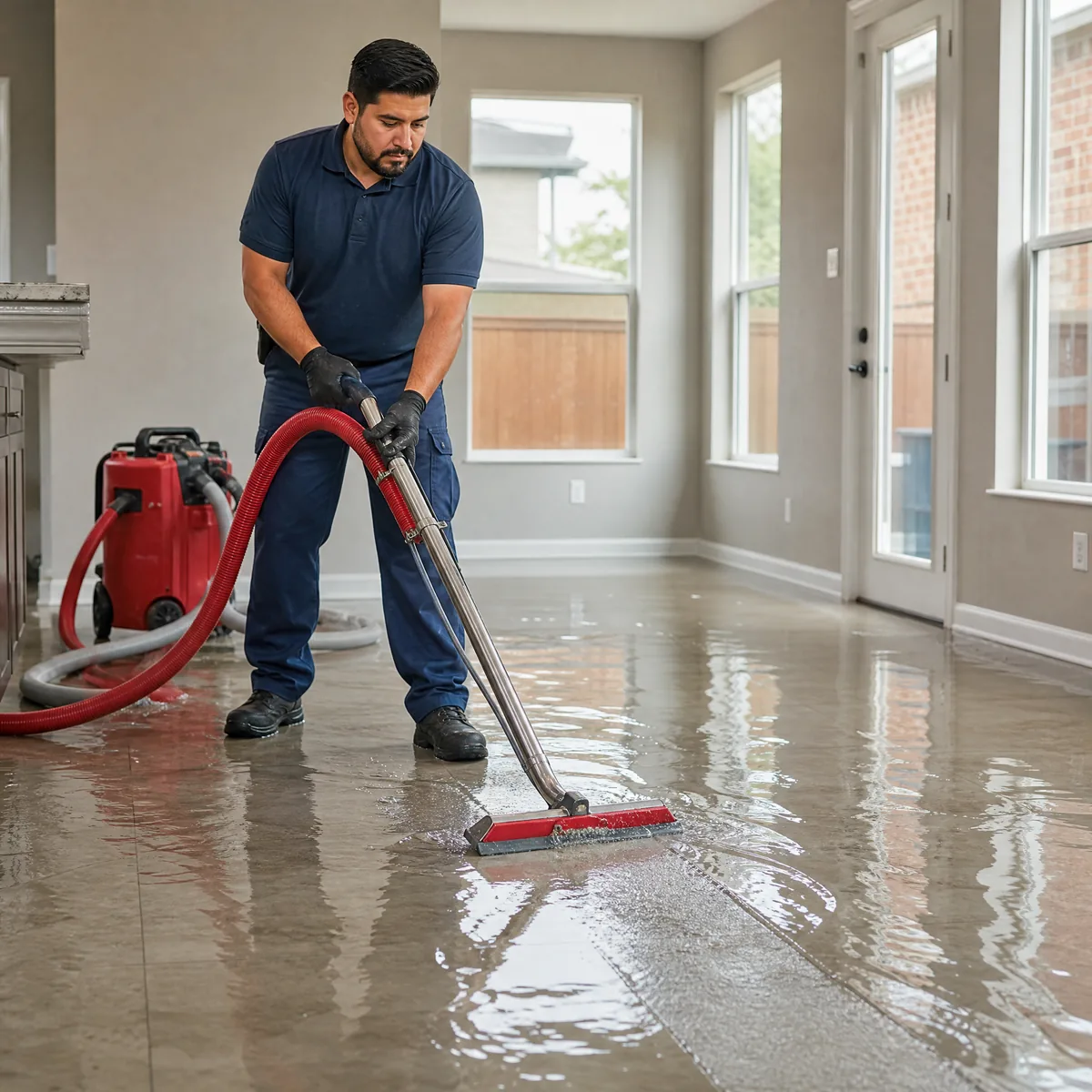
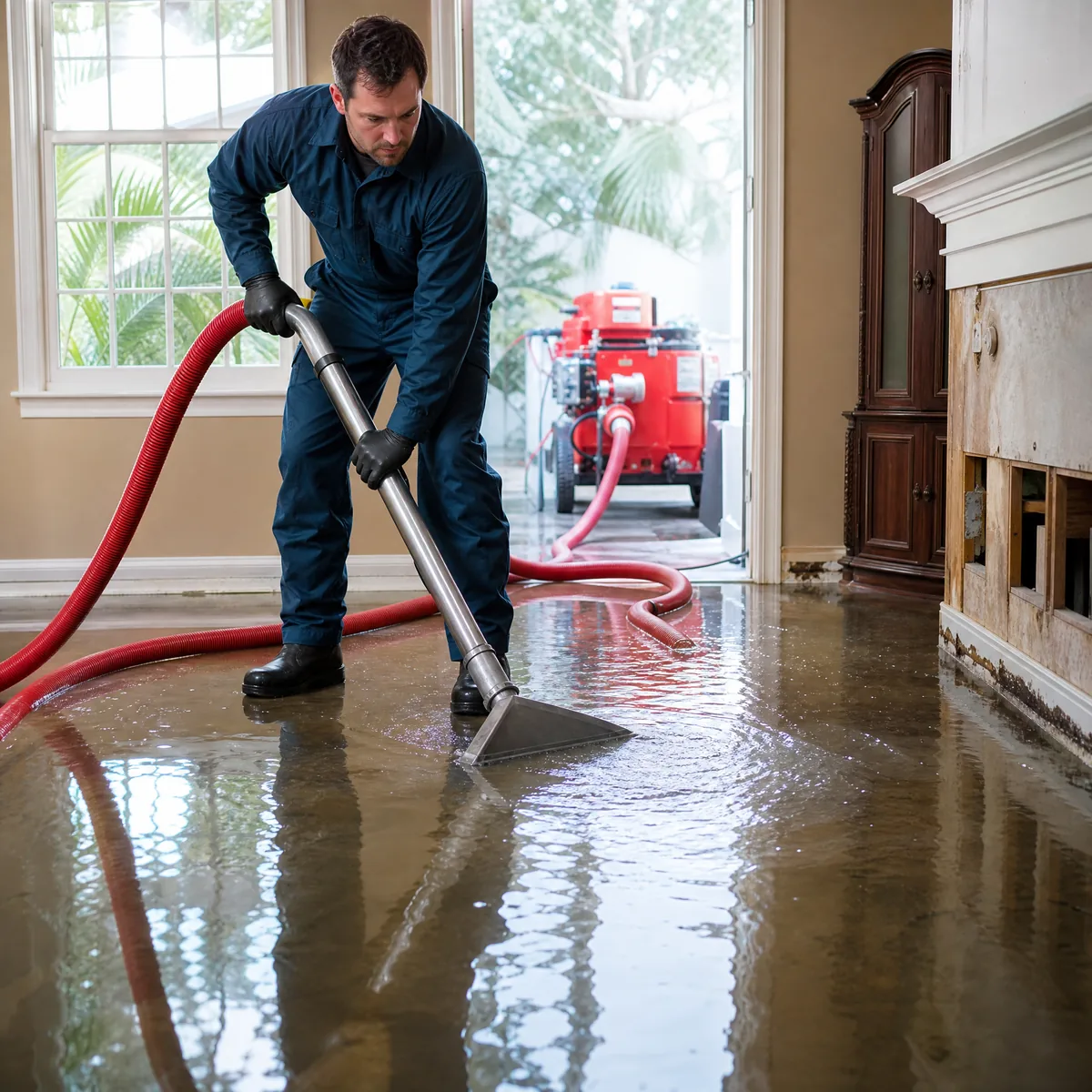
The mitigation plan may include removing water, cleaning appropriate surfaces, removing unsuitable material, and drying the affected structure. A dining room floor may need a different approach from a tiled kitchen or finished wall behind a service counter. The contractor should explain those differences in the scope.
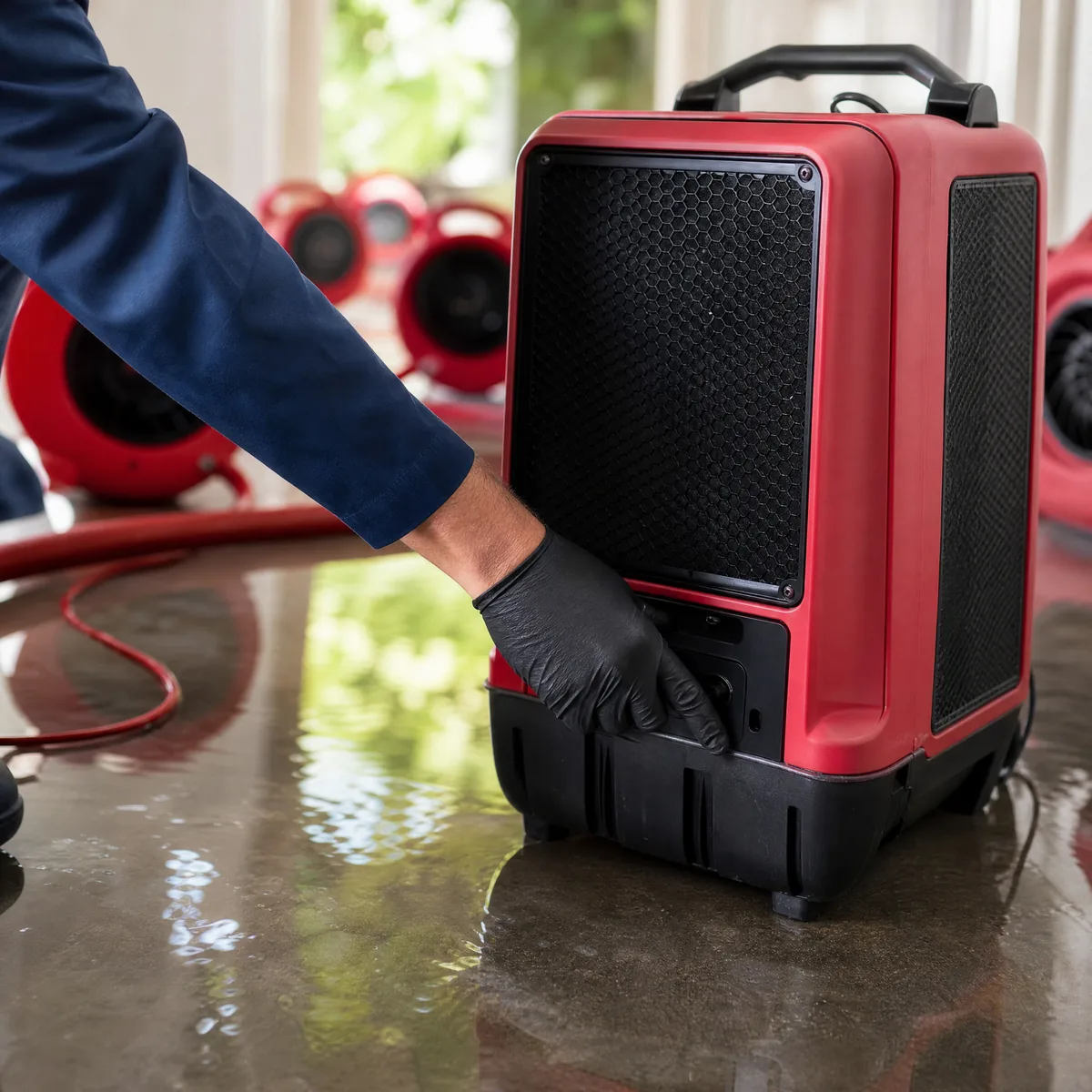
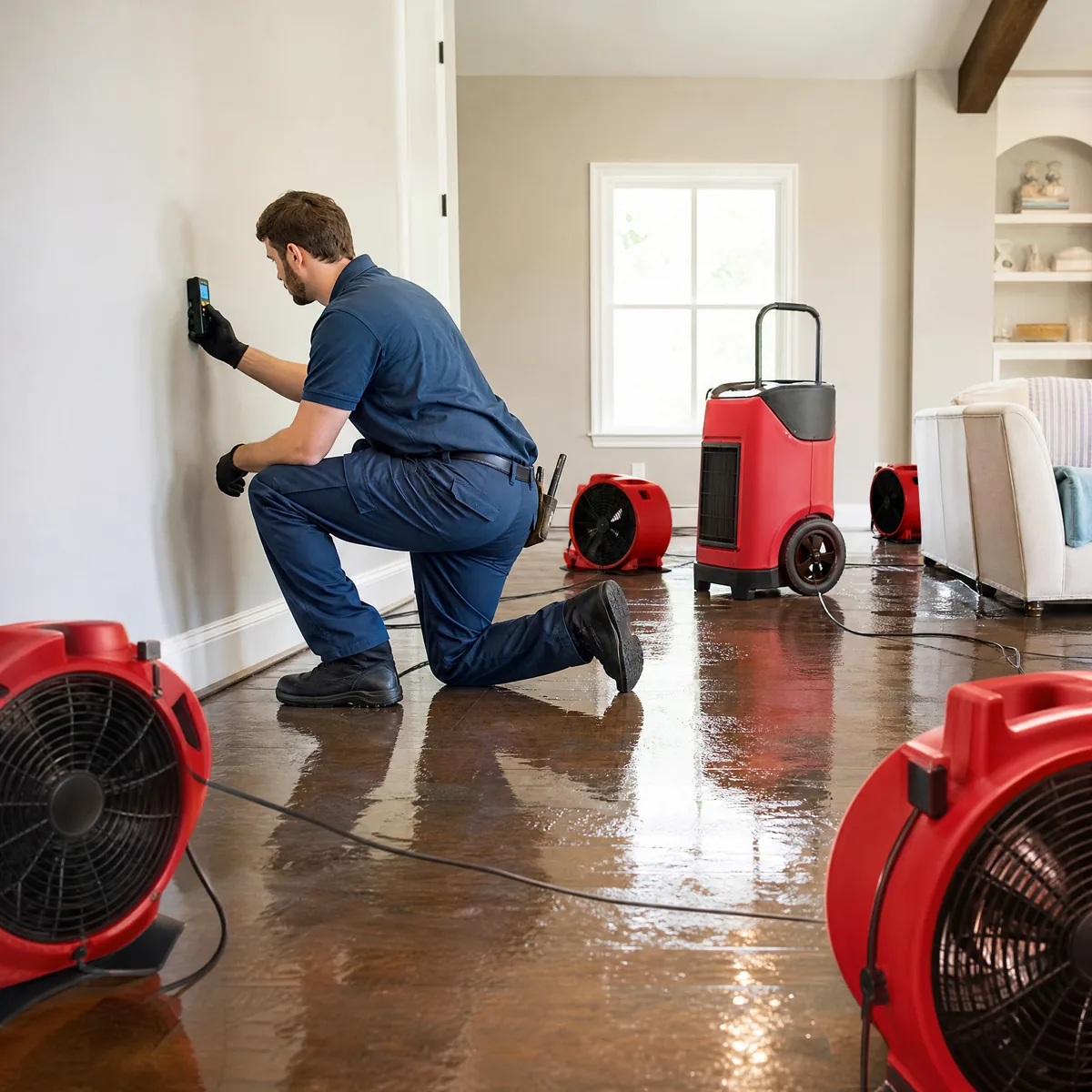
Ask where equipment will be placed, what areas will be restricted, and how progress will be monitored. Ventilation, access, and specialist equipment may affect the arrangement. A setup that fits the room physically still needs to accommodate the requirements of the restaurant and the safety of people entering it.
Coordinate the landlord, vendors, and reopening process
The owner or managing agent may control the roof, shared drains, utilities, or building finishes. Equipment vendors may control service and restart decisions. The restaurant's responsible manager needs to keep these tasks aligned so one incomplete step does not leave an otherwise repaired space waiting indefinitely.
Ask the relevant authority what inspection or approval is required before reopening for the specific incident. A cleanup contractor does not independently authorize every aspect of restaurant operation. Keep the required decisions visible in the schedule, alongside reconstruction and equipment work, from the beginning of the recovery.
Yonkers access and service continuity
Provide the exact street address, rear or service entrance, loading restrictions, and contact for building access. Tell the provider whether the affected property includes a basement, shared corridor, or another tenant below. These details help establish equipment routes and the full assessment area.
If part of the property is unaffected, discuss whether any activity can continue under the relevant requirements and work restrictions. Do not presume that a dry dining room resolves a kitchen or utility issue. The business should make operating decisions based on the complete condition and appropriate guidance.
Keep the restoration records useful for the next stage
Retain the source-repair findings, cleanup scope, photographs, drying documentation, and separate equipment records. Identify what was completed by each provider and which items remain outstanding. This helps the repair trades, insurer, and responsible restaurant contacts work from the same information.
Call (866) 552-5141 for restaurant water-damage help in Yonkers. Mention suspected contamination immediately. The commercial restoration page explains the broader coordination process, while sewage cleanup covers contaminated-water considerations.